Impact of New Housing Policies on Buyers in 2026

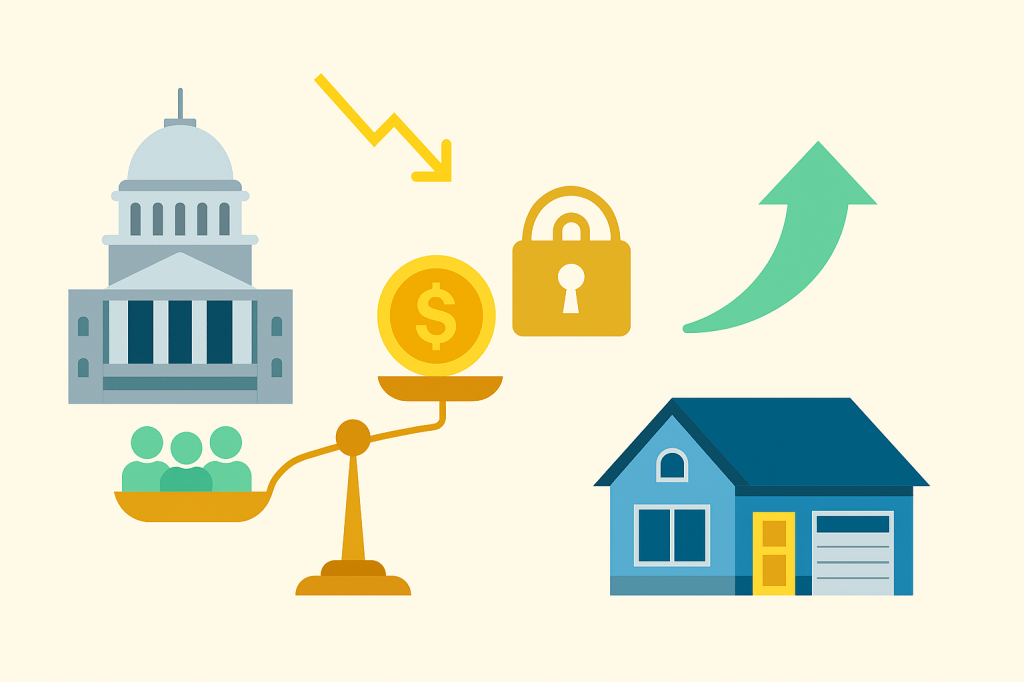
Rightly or wrongly, housing affordability has become one of the defining economic issues in the past month. Recently, several major policy ideas have been floated that aim to ease the pressure on homebuyers and homeowners. These proposals range from restricting institutional investors to reshaping how mortgages work.

Below is a clear, balanced (IMO) breakdown of the pros and cons of each initiative — and what they could mean for the 2026 housing market.

🏠 1. Ban on Institutional Investors Buying Single‑Family Homes

President Trump announced plans to prohibit large corporations and private equity firms from purchasing single‑family homes, arguing that “people live in homes, not corporations.”

✅ Pros

  • Reduces competition for everyday buyers. Institutional investors own roughly 0.5%–3% of single‑family homes nationally, depending on the definition. Limiting their purchases could reduce bidding pressure.
  • May stabilize prices in certain markets. Some experts say restricting institutional buyers “can’t hurt” and may help affordability at the margins.

❌ Cons

  • Minimal impact on overall affordability. Experts note that institutional investors represent a small share of the market, so a ban may have only a “negligible effect” on prices.
  • Does not increase supply. The core issue remains a nationwide shortage of 4 million homes.
  • Implementation challenges. Definitions of “large investor” are unclear, and it’s unknown whether existing holdings would be affected.

📉 2. $200 Billion in Mortgage Bond Purchases

The administration directed Fannie Mae and Freddie Mac to buy $200 billion in mortgage‑backed securities to push mortgage rates down.

✅ Pros

  • Immediate rate relief. Analysts estimate rates could drop 0.25%–0.5%, and early data shows rates already dipping below 6%AOL.
  • Lower monthly payments. This could help buyers re‑enter the market and give current owners refinancing opportunities.
  • Boosts consumer confidence. Lower rates often stimulate economic activity.

❌ Cons

  • Short‑term fix. Experts warn the impact may be “modest and short‑lived” in an $11 trillion MBS market.
  • Could reignite price inflation. Lower rates increase demand, which may push prices higher given limited supply.
  • Does not address inventory shortages. Without more homes, affordability remains constrained.

🔄 3. Portable & Assumable Mortgages

Officials explored allowing homeowners to take their mortgage with them to a new home (portable) or allowing buyers to assume the seller’s existing mortgage (assumable).

✅ Pros

  • Unlocks “rate‑locked” sellers. Millions of homeowners with 3% mortgages are reluctant to move. Portability could free up inventory.
  • Improves affordability for buyers. Assumable mortgages let buyers inherit lower rates.
  • Increases mobility. Families could move for jobs or life changes without losing their rate.

❌ Cons

  • Operational complexity. Lenders and servicers would need new systems to manage portable loans.
  • Potential for market distortions. Homes with assumable low‑rate mortgages may command premiums.
  • Not all loans are compatible. Many conventional mortgages are not currently structured for assumption.

📈 4. Expansion of Opportunity Zones

The administration considered expanding Opportunity Zones to encourage investment in distressed areas.

✅ Pros

  • Stimulates development in underserved communities. Could increase housing supply where it’s needed most.
  • Attracts private capital. Investors receive tax incentives to build or rehabilitate properties.
  • Potential to boost homeownership. More inventory and revitalized neighborhoods can create new pathways for buyers.

❌ Cons

  • Mixed track record. Some Opportunity Zones have seen investment, while others have not meaningfully improved affordability.
  • Risk of gentrification. Without safeguards, investment can raise prices and displace residents.
  • Long timelines. Development takes years, not months.

💳 5. Credit Card Interest Rate Cap at 10%

The administration also proposed capping credit card interest rates at 10%.

✅ Pros

  • Improves household financial stability. Lower interest costs free up cash for savings and down payments.
  • Reduces debt burdens. Families can pay down balances faster.
  • Indirectly supports homeownership. Better credit profiles and lower debt‑to‑income ratios help buyers qualify for mortgages.

❌ Cons

  • Banking industry pushback. Lenders may tighten credit standards, making it harder for some consumers to access credit.
  • Potential reduction in rewards programs. Caps could change how credit card products are structured.
  • Uncertain legislative path. Implementation would require significant regulatory or congressional action.

🔮 Summary & 2026 Housing Market Forecast

Based on the initiatives above and expert analysis:

Short‑Term (2026) Outlook

  • Mortgage rates likely settle in the high‑5% range, supported by bond purchases.
  • Home prices may rise modestly due to increased demand and persistent supply shortages.
  • Inventory could improve slightly if portable/assumable mortgage reforms advance.
  • Affordability remains challenging, but targeted relief (lower rates, credit card caps) may help first‑time buyers.
  • Institutional investor bans may have symbolic value but limited market impact.

Overall Forecast

2026 is shaping up to be a transitional year:

  • Rates ease,
  • Demand strengthens,
  • Supply remains tight,
  • Prices stabilize or rise slowly,
  • And policy changes create pockets of opportunity — especially for buyers who stay informed and prepared.

For Rhode Island homeowners and buyers, the key will be timing, strategy, and expert guidance. As always, I’m here to help you navigate the shifts with clarity and confidence.

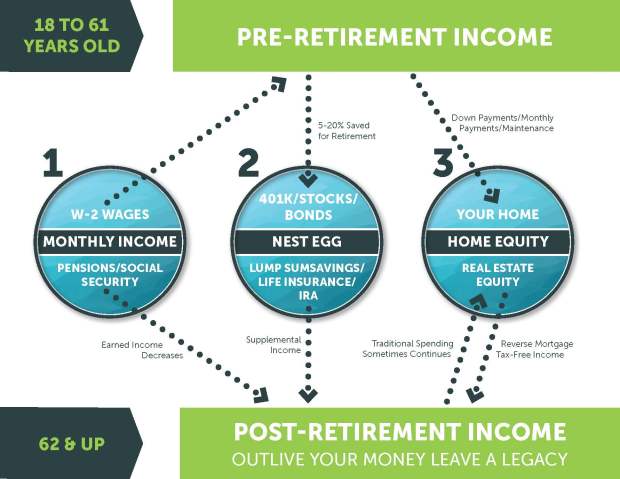
Your Home Is More Than a Place to Live

— It’s a Wealth Asset

If you’re a homeowner—especially if you’ve owned your home for many years—there’s something important you should understand:

Your home isn’t just where you live.
It’s likely one of the largest financial assets you will ever own.

Yet for many homeowners, real estate decisions are made emotionally or reactively, without fully considering how those choices affect long-term wealth, taxes, and legacy planning. As we move closer to potential tax law changes in 2026, these decisions matter more than ever.


Why Home Equity Deserves Strategic Planning

For most families, home equity quietly grows in the background. Over time, appreciation, mortgage paydown, and market conditions can create substantial wealth—often exceeding retirement accounts or other investments.

But that equity doesn’t automatically protect itself.

Real estate decisions can trigger:

  • Capital gains tax exposure
  • Unintended estate complications
  • Liquidity issues for heirs
  • Missed planning opportunities

Selling too early, holding too long, or failing to coordinate real estate decisions with broader financial and estate plans can result in costly outcomes that were entirely avoidable.


Capital Gains, Timing, and the Road Ahead

Many homeowners are surprised to learn that selling a primary residence can have tax consequences—especially for those who’ve owned their homes for decades or experienced significant appreciation.

While today’s rules offer certain exclusions, tax laws are not static. Discussions around changes after 2025 have already prompted questions about:

  • Whether current capital gains exclusions will remain
  • How inherited property may be treated in the future
  • When it makes sense to sell, hold, or restructure ownership

These aren’t questions to answer in a rush—or alone.


Estate Planning and Where Your Equity Goes

Another often-overlooked issue is what happens to your home when you’re no longer here.

Without thoughtful planning, heirs can face:

  • Confusion around selling or retaining the property
  • Unexpected tax exposure
  • Family conflict or delays
  • Loss of value due to poor timing or forced decisions

Your home is part of your legacy. Like any significant asset, it deserves clarity, coordination, and foresight.


Why Real Estate Guidance Matters in Wealth Protection

Real estate is unique. It’s emotional, local, highly regulated, and deeply connected to tax and estate planning—yet it’s often treated as an afterthought.

The truth is:

Real estate decisions should support your overall wealth strategy—not undermine it.

That’s why informed homeowners take a proactive approach, asking better questions and assembling the right professionals before decisions are forced by life events, health changes, or market shifts.


A Practical, Education-First Approach

This blog is the first in a series focused on wealth protection for homeowners. The goal is simple:

  • To explain complex topics in clear, practical terms
  • To help homeowners understand how real estate fits into long-term planning
  • To reduce uncertainty and avoid surprises

This is not about fear or speculation. It’s about clarity, predictability, and informed decision-making.


Final Thoughts

Your home represents years—sometimes decades—of hard work. Protecting that value requires more than market knowledge; it requires planning, timing, and coordination.

I’m Joe Luca The Best Realtor, and I work with homeowners who want thoughtful guidance around major real estate decisions—especially when those decisions intersect with taxes, estate planning, and long-term wealth preservation.

If these topics matter to you or your family, I invite you to follow along as we continue this conversation.

Because informed decisions today – protect your wealth tomorrow.

How To Price Your Home To Sell Fast (and for top Dollar)

Pricing your home correctly is one of the most important decisions you’ll make when preparing to sell. It affects everything — how many buyers see your home, how quickly it sells, and ultimately, how much money you walk away with.

As a REALTOR® who has helped Rhode Island homeowners since 2006, I’ve seen one truth play out over and over again: the right price attracts buyers, creates competition, and leads to the best possible outcome for you. The wrong price does the opposite.

If you’re thinking about selling, here’s what you need to know about pricing your home strategically and confidently.

Why Pricing Your Home Correctly Matters

Many sellers assume they should “start high and negotiate down.” Unfortunately, that strategy almost always backfires.

When a home is overpriced:

  • Fewer buyers see it
  • Serious buyers skip it
  • It sits on the market longer
  • Price reductions become inevitable
  • Buyers start wondering what’s wrong with it

On the flip side, a well‑priced home:

  • Attracts more showings
  • Generates stronger offers
  • Creates urgency and competition
  • Sells faster
  • Often sells for more than expected

Pricing isn’t guesswork — it’s a strategy.

How I Determine the Right Price for Your Home

A strong pricing strategy blends data, experience, and market psychology. Here’s the process I use with every client:

1. Comparative Market Analysis (CMA)

I analyze recent sales of similar homes in your area — size, condition, features, location, and upgrades. This gives us a realistic baseline of what buyers are willing to pay right now.

2. Current Market Conditions

The real estate market changes constantly. Inventory levels, interest rates, and buyer demand all influence your home’s value. A smart pricing strategy adapts to the market, not the other way around.

3. Your Home’s Unique Value

Not all homes are created equal. Upgrades, layout, curb appeal, neighborhood desirability, and overall condition can push your value higher than the comps suggest.

4. Pricing Psychology

Buyers search in price brackets. Listing at the right number increases your visibility on real estate platforms and AI‑powered search tools. Sometimes a small adjustment — like $499,900 instead of $505,000 — can dramatically expand your buyer pool.

Common Pricing Mistakes to Avoid

I’ve seen homeowners unintentionally sabotage their sale by making these avoidable mistakes:

  • Pricing based on emotion instead of data
  • Assuming upgrades automatically equal higher value
  • Ignoring market shifts
  • Comparing their home to properties that aren’t truly comparable
  • Starting high “just to see what happens”

Avoiding these pitfalls is key to selling your home quickly and profitably.

My Client‑First Approach

My priority is simple: create the best possible outcome for you.

That means honest guidance, transparent communication, and a pricing strategy built around your goals — whether that’s maximizing your profit, selling quickly, or preparing for your next move.

When you work with me, you’re not just hiring a listing agent. You’re partnering with a seasoned strategist who understands the Rhode Island market, buyer behavior, and the systems required to deliver results.

Thinking About Selling? Let’s Talk.

If you’re curious about what your home is worth in today’s market, I’d be happy to prepare a free, no‑obligation home valuation.

You’ll get:

  • A detailed market analysis
  • A recommended pricing strategy
  • Insights on how to position your home for maximum impact

Reach out anytime — I’m here to help you make smart, confident decisions.

What To Expect When Closing On Your House

If you’re a first‑time homebuyer, or even if it’s been a while since your last purchase, this video will walk you through exactly what to expect on closing day so you can walk in confident and walk out a homeowner.

Let’s start with the basics.

Closing — also called settlement — is the final step in your residential real estate transaction. It’s the moment when:

  • Money changes hands
  • Documents get signed
  • Ownership officially transfers
  • And you get the keys to your new home after the Deed is Recorded

Think of it as the finish line of the home‑buying journey.

Before you even sit down at the closing table, a few important things happen:

1. Final Walkthrough

Usually within 24 hours of closing, you and your agent walk through the property to confirm it’s in the same condition as when you made the offer and that any agreed‑upon repairs were completed.

2. Review Your Closing Disclosure

Your lender must provide this at least three days before closing. It outlines:

  • Your loan terms
  • Closing costs
  • Prepaid taxes and insurance
  • Cash needed to close

Review it carefully — this is your chance to ask questions before signing anything.

Now let’s talk about what actually happens during the closing appointment.

You’ll Sign Documents

A lot of them. These include:

  • The promissory note
  • The mortgage or deed of trust
  • The settlement statement
  • Various disclosures required by state and federal law

You’ll Bring Your Funds to Close

This is usually done via certified funds or wire transfer. No personal checks.

The Title Company or Attorney Finalizes Everything

They’ll:

  • Verify your identity
  • Confirm the lender has funded the loan
  • Record the deed with the city or town
  • Issue your title insurance policies

Once everything is signed and recorded… you’re officially the owner.

After closing, you’ll receive copies of your documents — either digitally or in a physical folder.

You’ll also get:

  • Your keys
  • Garage door openers
  • Any appliance manuals
  • And sometimes a welcome packet from the seller

From here, you can move in, change the locks, and start making the home your own.

If you found this helpful, please subscribe for more real estate tips, homebuyer education, and Rhode Island market insights.

If you’re thinking about buying or selling a home — or you want to understand the closing process in more detail — reach out anytime. I’m here to guide you every step of the way.

Thanks for reading, and congratulations in advance on your closing day.

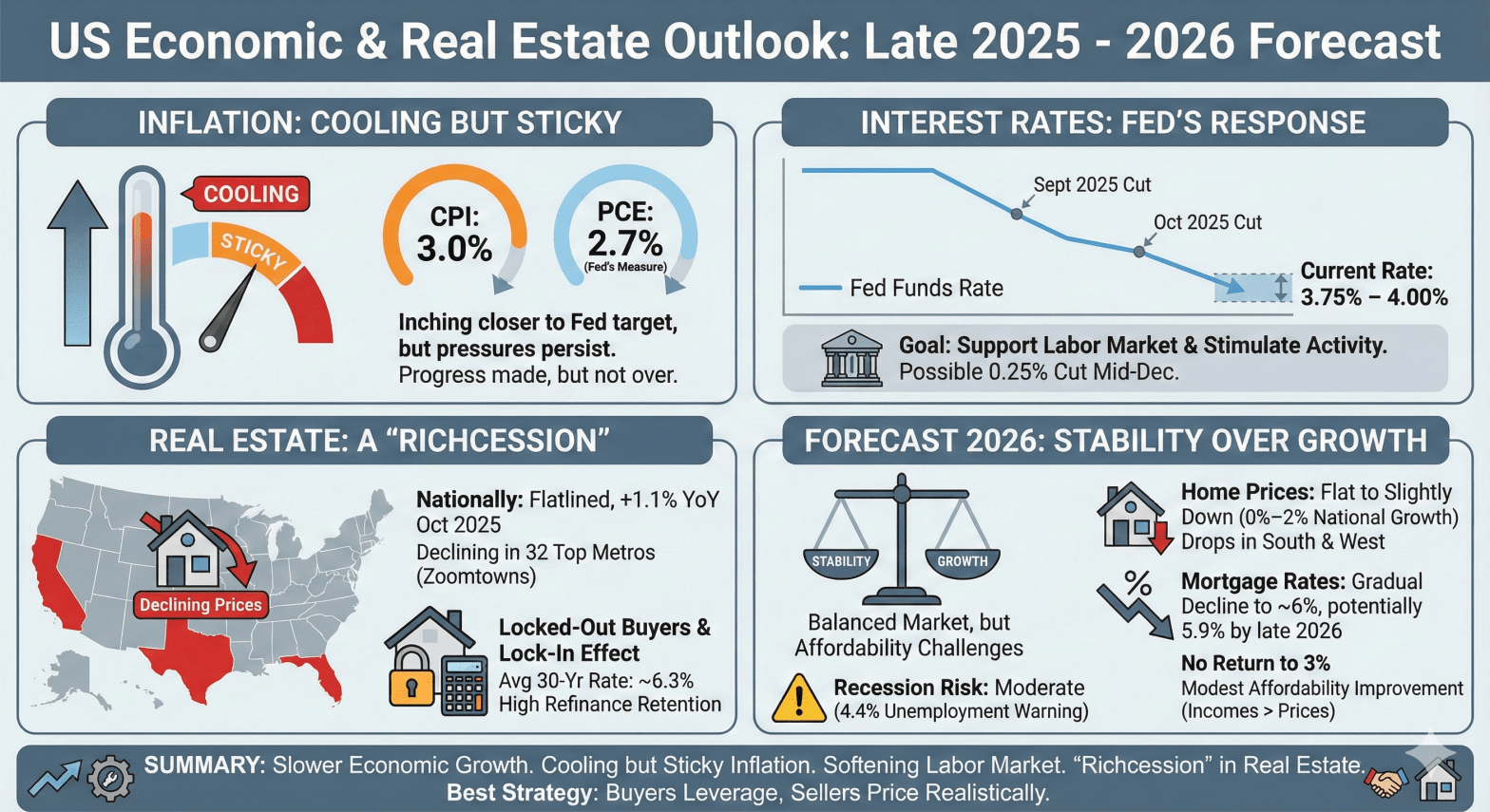
Cooling But Sticky Inflation

Inflation has been a hot topic throughout 2025, and recent data indicates that it is inching closer to the Federal Reserve’s target. As of September 2025, the Consumer Price Index (CPI) sits at 3.0%, showing signs of cooling. However, inflation remains sticky, with the Personal Consumption Expenditures (PCE) index, the Fed’s preferred measure, hovering around 2.7%. While these figures suggest progress, the persistence of inflationary pressures means that the Fed’s job is far from over.

Interest Rates: Fed’s Response to a Softening Labor Market

In response to the softening labor market, the Federal Reserve has shifted its stance on interest rates. After cutting rates in September and October 2025, the current rate stands at 3.75%–4.00%. The Fed’s goal is to support the labor market and stimulate economic activity. Another 0.25% cut is possible in mid-December, though not guaranteed. This proactive approach by the Fed aims to mitigate the impact of rising unemployment and ensure economic stability.

Home Prices and Sales: A “Richcession” in Real Estate

The real estate market is experiencing its own set of challenges. Nationally, home price growth has nearly flatlined, slowing to just 1.1% year-over-year in October 2025. We are witnessing a “richcession” in real estate, with prices actively declining in 32 of the top 100 metros, particularly in “Zoomtowns” and pandemic boom markets like Florida, Texas, and California. Sales activity remains sluggish, as high costs have locked out first-time buyers, and the “lock-in effect” keeps some inventory off the market. Current 30-year fixed mortgage rates are averaging in the high-6% range, approximately 6.3%. Despite these high rates, refinance retention has hit a multi-year high as homeowners desperately seek to lower monthly payments where possible.

Forecast: What to Expect in 2026

Looking ahead to 2026, the consensus is “Stability, over Growth.” We are moving toward a balanced market, but affordability will remain a primary challenge. The recession risk is moderate, with the “soft landing” being the baseline scenario. However, the rising unemployment rate (4.4%) is a warning sign. If job losses accelerate, a mild recession could occur. Home prices are expected to remain flat to slightly down, with national prices growing 0%–2%. However, price drops are anticipated in the South and West as inventory floods those markets. Mortgage rates are expected to gradually decline, averaging near 6% and potentially dipping to 5.9% by late 2026. A return to 3% rates is unlikely. With incomes rising faster than home prices, affordability will improve slightly for the first time in years.

Best Strategy for Buyers and Sellers

For buyers, now is the time to leverage your negotiating power, which is stronger than at any point since 2019. For sellers, pricing realistically is critical, as bidding wars are largely a thing of the past. Navigating the real estate market in 2026 will require a strategic approach, but with the right information and preparation, both buyers and sellers can achieve their goals.

In conclusion, while the economy is growing, it is doing so at a slower pace. Inflation is cooling but remains sticky, and the labor market is softening. The Federal Reserve is taking steps to support the economy, and the real estate market is experiencing a “richcession.” As we look ahead to 2026, stability is the key theme, with moderate recession risk and gradual improvements in affordability. By staying informed and strategic, you can navigate these economic changes successfully.

The above image was created with ai based on data in this post.

Providence Housing Market: A Resilient Outlook Amid National Trends

For months, we’ve all been hearing about how the housing market is “stuck”—high mortgage rates, affordability challenges, and cautious consumers. Home Depot’s most recent analyst call echoed those themes, pointing to weak housing turnover, consumer uncertainty, and the absence of storm-driven demand as drags on their sales.

But here’s the thing: while those national headwinds are real, Greater Providence continues to show resilience. Let’s break it down.

📉 National Trends That Hit Home

  • Housing Turnover Slows: Across the country, fewer people are buying and selling homes. That means less remodeling, less furnishing, and fewer big-ticket projects.
  • Consumer Caution: Shoppers are deferring discretionary spending. Kitchens, bathrooms, and flooring projects are being put on hold until confidence returns.
  • Storm Activity: Believe it or not, storm seasons drive demand for repairs and rebuilding. A mild season means less of that emergency-driven activity.

📊 Greater Providence Snapshot

  • Inventory: Just 227 homes for sale in late October, with only 86 new listings. Supply is tight.
  • Speed: Homes go pending in about 15 days. Buyers must move fast.
  • Prices: Average home value sits at $419,889, up 1.1% year-over-year. Median sale price in October was $515,000, up 3% YoY.
  • Neighborhoods:
    • College Hill: ~$968,317
    • Downtown: ~$548,504
    • Federal Hill: ~$430,068
    • Valley/Smith Hill: ~$369K–$373K

🧭 What It Means for Buyers & Sellers

  • For Buyers: Yes, rates are high. But inventory is scarce, and homes are still moving quickly. Waiting for the “perfect” rate could mean missing out on the right property.
  • For Sellers: Demand remains strong enough to keep values stable. Homes are selling near list price, often with multiple offers. If you’re considering listing, the market is still in your favor.
  • For Investors: Providence remains attractive as a safe-haven asset. Tight supply and steady demand make real estate here a hedge against broader economic uncertainty.

🔮 Outlook

Nationally, the housing market is in a holding pattern—waiting for lower rates or stronger consumer confidence. Locally, Providence’s severe inventory shortage keeps values resilient. Expect modest price growth (~3.5% in 2026), fast-moving listings, and continued competition in desirable neighborhoods.

Bottom Line: The same forces slowing Home Depot’s sales—cautious consumers, weak turnover, affordability pressures—are shaping our housing market. But in Greater Providence, scarcity keeps the market competitive. If you’re thinking about buying, selling, or investing, the window of opportunity is still open.

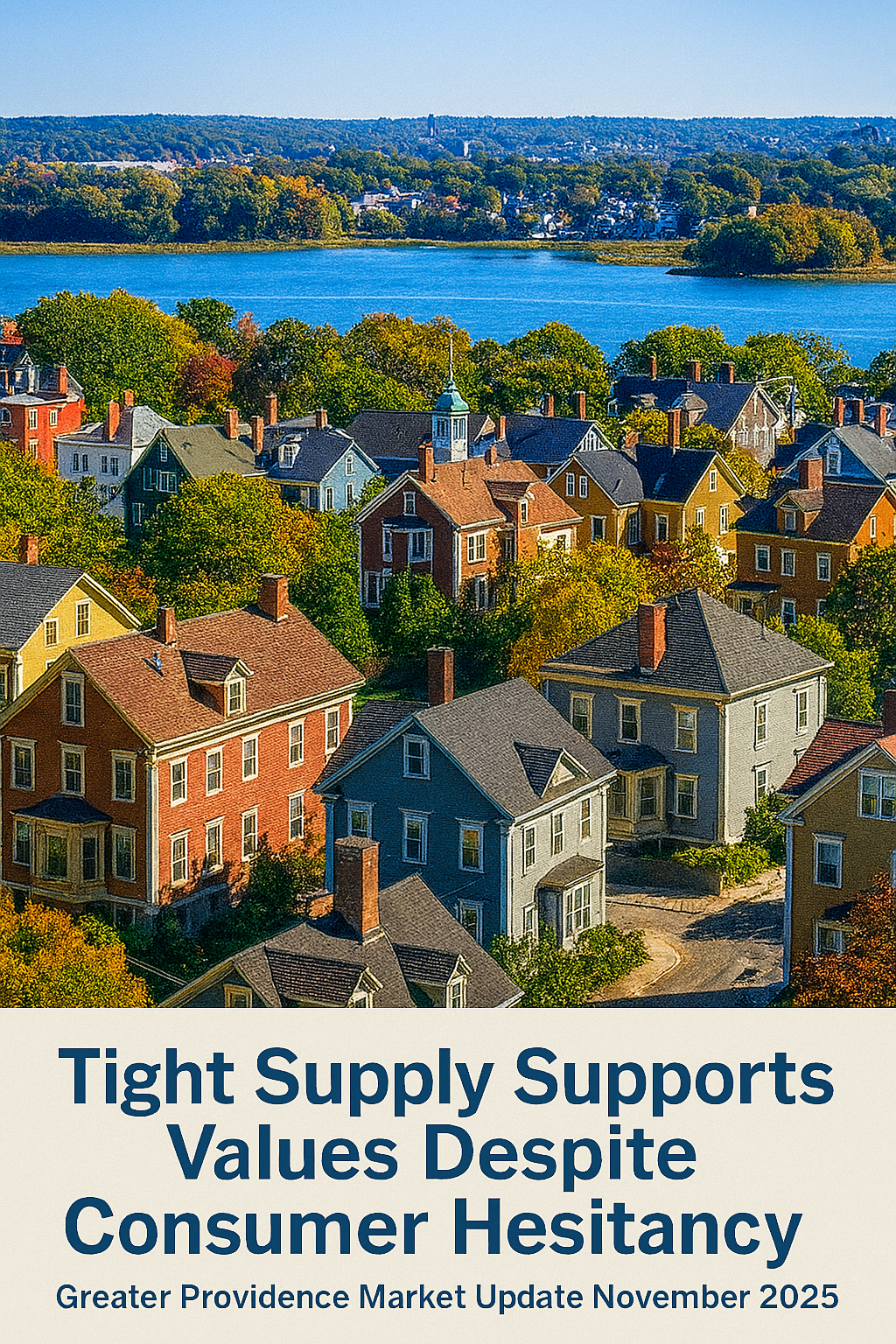
Above image and some data generated by AI.

50-Year and Portable Mortgages

50-Year Mortgages: Would I Recommend One?

Would I recommend a 50-year mortgage to my daughter, who is currently renting? Honestly, building equity with such a loan would be slow. Fully owning the property free-and-clear could take a lifetime—or even longer. On top of that, the interest rate on a 50-year mortgage would almost certainly be higher. It would be higher than on a traditional 30-year loan.

That said, I wouldn’t outright oppose it. Here’s why.

Why a 50-Year Mortgage Might Make Sense

  • Lower monthly payments: Even modest reductions can make a difference in qualifying ratios.
  • Fixed payments vs. rising rents: Mortgage payments stay the same, while rents inevitably increase over time.
  • Automatic equity through appreciation: Home price gains build equity regardless of the mortgage balance.
  • Flexibility to pay down faster: Extra payments from raises or bonuses can shorten the payoff timeline significantly.
  • Future refinancing or trading up: Homeowners have options if rates decline. They can refinance into shorter terms. Alternatively, they can move into a new property with a better loan structure.

In short, while the 50-year mortgage is far from perfect, it can serve as a stepping stone into homeownership. It is beneficial for renters who might otherwise remain on the sidelines.

Assumable and Portable Mortgages: Pros and Cons

We’re considering unconventional mortgage structures. It’s worth exploring assumable and portable mortgages. These two ideas could reshape affordability if implemented more widely.

Assumable Mortgages

An assumable mortgage allows a buyer to take over the seller’s loan under its original terms. Imagine assuming a 30-year fixed loan from January 2021 at 2.65%. Compare that to today’s rates north of 6%, and the appeal is obvious.

The Catch

  • Equity gap: Buyers must cover the difference between the home’s current value and the remaining loan balance. Often this requires a second mortgage at a higher rate.
  • Approval hurdles: Lenders must approve the assumption, and buyers must meet financial qualifications.
  • Seller liability: Unless formally released, sellers may remain liable for the loan even after transferring it.

Government-backed loans (FHA, VA, USDA) are generally assumable, but conventional loans rarely are.

Potential Improvements

  • Expanding assumability to Fannie Mae and Freddie Mac loans.
  • Offering low-cost “top-up” loans to bridge equity gaps.
  • Educating consumers and professionals to normalize the practice.

Still, the government can’t retroactively make existing non-assumable loans assumable. That ship has sailed for the ultra-low-rate loans of 2020–2022.

Portable Mortgages

A portable mortgage allows borrowers to transfer their existing loan to a new property. This concept is common in the UK but rare in the U.S.

Benefits

  • Keeps the borrower’s low interest rate intact when moving.
  • Reduces the need to start fresh with higher-rate financing.

Challenges

  • Requires a new mortgage application with full underwriting.
  • Borrowers must cover the gap between the new home’s price and the existing loan balance.
  • U.S. lenders may resist, since they profit from “churn” in mortgage origination.

The Bigger Picture

Both assumable and portable mortgages offer intriguing ways to ease affordability pressures. But they face significant hurdles—legal, financial, and political.

Meanwhile, the 50-year mortgage proposal has already sparked debate. Lawrence Yun is the chief economist for the National Association of Realtors®. He warns that the “small savings” in monthly payments come with “significant trade-offs.” Slow equity build makes trading up difficult. Meaningful equity may not arrive until the final decade of the loan.

Ultimately, subsidizing demand without increasing supply risks pushing home prices even higher. The only true solution to the housing crisis is simple, though not easy: build millions more affordable homes.

Takeaway for Renters and Buyers: A 50-year mortgage isn’t ideal, but it can be a gateway to homeownership. Assumable and portable mortgages could help in theory, but they’re far from mainstream in practice. For now, the smartest path remains balancing affordability with flexibility. This involves buying when ready. It also means paying down aggressively when possible and staying alert to refinancing opportunities.

📣 If you’re weighing your options in today’s complex housing market, don’t go it alone. Whether you’re a renter considering your first purchase, I’m here to help. If you’re a homeowner exploring refinancing, I’m here to help. Perhaps you are simply curious about how these evolving mortgage products could impact your future, I’m here to help.

👉 Subscribe to my newsletter for practical insights. Tune into The Joe Luca Real Estate Show on Tuesdays at 6pm EST at WNRI.com, for weekly updates. You can also reach out directly to discuss your personal situation. Together, we can cut through the noise and chart a clear path toward smart, sustainable homeownership.

This post was created with information from Lawrence Yun at NAR.com, Realtor.com, Bloomberg.com and Kiplinger.com.

🏡 Five Ways a Government Shutdown Could BENEFIT Real Estate

For the past month or so, “we”, including me, have been talking about all of the ways that the Federal Government Shutdown a/k/a “Schumer Shutdown”, can harm the real estate market. Then my contrarian way of thinking made me wonder: what could be some benefits from the “Schumer Shutdown”? Here goes…

  1. Lower Mortgage Rates Due to Economic Uncertainty
    • Shutdowns often trigger investor anxiety, leading to a flight to safety in U.S. Treasury bonds.
    • This demand pushes bond yields down, which can result in lower mortgage rates, making home loans more affordable.
  2. Reduced Competition from Government-Backed Buyers
    • FHA, VA, and USDA loan processing slows or halts during shutdowns due to furloughs.
    • This can temporarily reduce buyer competition from those relying on government-backed financing, giving conventional buyers an edge.
  3. Price Softening in High-Government Employment Areas
    • Areas with large federal workforces (e.g., D.C., Maryland, Virginia) may see softening demand due to furloughs and lost income.
    • Investors and buyers with cash or stable financing may find discounted opportunities in these markets.
  4. Increased Appeal of Real Estate as a Safe-Haven Asset
    • When the stock market becomes volatile due to political gridlock, some investors shift toward tangible assets like real estate.
    • This can boost demand for income-producing or stable residential properties.
  5. Delayed Economic Data May Stall Rate Hikes
    • Shutdowns often delay key economic reports (e.g., jobs, inflation), which the Federal Reserve uses to guide interest rate decisions.
    • In the absence of data, the Fed may pause rate hikes, keeping borrowing costs lower for longer

That is it…I cannot think of any other “benefits” from the Schumer Shutdown. Can you?

Why Now Is a Great Time to Buy a House in Southern New England

If you’ve been dreaming of owning a home in Southern New England—think Connecticut’s charming towns, Rhode Island’s coastal gems, or the historic corners of southern Massachusetts—2025 might be your moment. As of March 11, 2025, the real estate market here is showing signs of opportunity for buyers. From economic shifts to local trends, here’s why now could be the perfect time to plant your roots in this picturesque region.

1. Interest Rates Are Settling Down

After a wild ride in recent years, mortgage rates appear to be stabilizing across the U.S., and Southern New England is no exception. While we’re not back to the rock-bottom rates of the 2010s, the steep climbs of the early 2020s have eased. For buyers in places like New Haven or Providence, this means more predictable mortgage payments and a chance to lock in a rate before any surprises. With the Federal Reserve keeping a close eye on inflation, rates could hold steady—giving you a solid window to finance that Cape Cod-style home or colonial fixer-upper.

2. Inventory Is Ticking Up Across the Region

Southern New England has felt the inventory crunch hard, with sellers clinging to their low-rate mortgages or waiting out peak prices. But early 2025 is bringing a shift. In towns like Mystic, CT, or Bristol, RI, more “For Sale” signs are popping up. Maybe it’s empty nesters downsizing, retirees heading south, or homeowners feeling the market has topped out. Whatever the reason, this uptick means more choices—whether you’re eyeing a waterfront cottage in Narragansett or a suburban spread in West Hartford. More options also mean less cutthroat bidding wars, a welcome relief for buyers.

3. Prices Are Softening in Hotspots

The pandemic boom sent prices soaring in Southern New England, especially in desirable spots like Fairfield County or the South Shore of Massachusetts. But as demand normalizes, some of these overheated markets are cooling. Sellers who bought at the 2021 peak might be more open to negotiation, especially in areas where listings are lingering a bit longer. In places like Cranston, RI, or Milford, CT, you could snag a deal that feels more reasonable than it did two years ago. It’s not a buyer’s market everywhere, but the balance is tipping your way in many towns.

4. Southern New England’s Long-Term Appeal Holds Strong

This region’s charm—historic villages, top-notch schools, and proximity to both Boston and New York—makes it a perennial winner for real estate investment. Even with short-term ebbs and flows, home values here tend to climb over time. Buying now in, say, Portsmouth, RI, or Simsbury, CT, sets you up for equity growth as hybrid work trends keep the area attractive to professionals and families alike. A home purchased in 2025 could be your family’s cornerstone—and a financial win—by 2035.

5. Local Incentives Are Sweetening the Deal

From builders in growing suburbs like Plainfield, CT, to sellers in competitive markets like Attleboro, MA, incentives are emerging. New developments might offer rate buydowns or closing cost help, while individual sellers could throw in extras—like covering roof repairs or offering flexible move-in dates—to close the deal. These perks can shave thousands off your upfront costs, making homeownership more attainable in a region where prices can still feel steep.

6. Seasonal Timing Works in Your Favor

March in Southern New England is a quiet season for real estate. The spring rush hasn’t fully kicked in, and winter’s chill keeps some buyers indoors. That means less competition as you tour that farmhouse in Litchfield County or that bungalow in Westerly, RI. Sellers listing now might be extra motivated—perhaps they’re relocating for work or eager to sell before the summer crowd arrives. It’s a strategic moment to strike while the market’s still waking up.

A Word of Caution

Southern New England’s market varies widely—Greenwich, CT, is a different beast from Fall River, MA. Check local trends, get pre-approved, and team up with a realtor who knows the area inside out. Coastal properties might still carry flood insurance costs, and older homes could need TLC. But for those ready to navigate these quirks, the rewards are there.

The Bottom Line

March 2025 is shaping up as a buyer’s sweet spot in Southern New England. With steadier rates, growing inventory, softening prices in key areas, and the region’s enduring appeal, the stars are aligning. So, grab your map, hit the open houses—from Stamford to Stonington—and make your move. That quintessential New England home, complete with a front porch and autumn leaves, might be waiting for you right now.

If you have any questions, or would like to connect, email me: Joe@JoeLucacaRealtor.com