
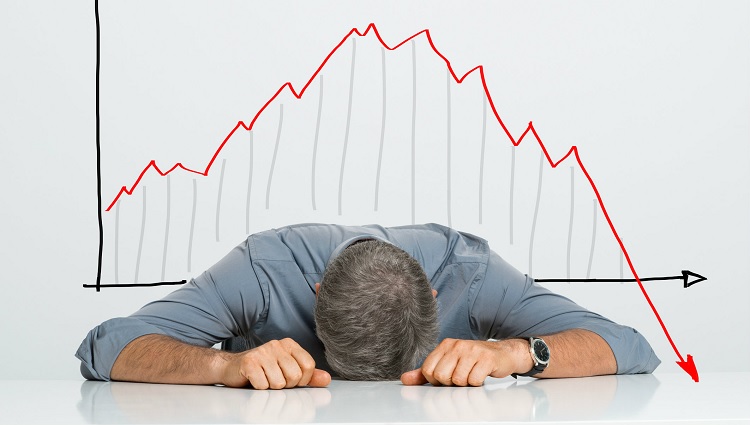
Stock market fluctuations can have several indirect impacts on the housing market, although the relationship is complex and influenced by many factors. Here’s a concise overview:
- Wealth effect: When stocks rise, investors feel wealthier and may be more inclined to purchase homes, potentially driving up housing demand and prices.
- Consumer confidence: Stock market performance often influences overall economic sentiment, affecting people’s willingness to make large purchases like homes.
- Interest rates: Stock market trends can influence Federal Reserve policy on interest rates, which directly impacts mortgage rates and housing affordability.
- Investment alternatives: Some investors view real estate as an alternative to stocks, potentially increasing housing demand when the stock market underperforms.
- Corporate profits: Strong stock performance may lead to increased hiring and wages, improving homebuying power for some consumers.
- Construction and development: Publicly traded homebuilders and real estate companies may have more capital to invest in new projects when stock prices are high.
- Foreign investment: Global stock market trends can influence international real estate investment patterns.
What impact, if any, do these points have on home prices???
Home prices can be impacted in various ways by these points:
- Wealth effect: When people feel wealthier due to stock market gains, they may be willing to spend more on housing. This increased demand can drive up house prices.
- Consumer confidence: High confidence can lead to more home buyers entering the market, potentially pushing prices up. Conversely, low confidence can reduce demand and prices.
- Interest rates: Lower interest rates typically make mortgages more affordable, increasing demand and potentially driving up house prices. Higher rates can have the opposite effect.
- Investment alternatives: If real estate is seen as a more attractive investment than stocks, increased demand from investors can push house prices higher.
- Corporate profits: Improved economic conditions can lead to wage growth and job creation, allowing more people to afford homes and potentially increasing prices.
- Construction and development: Increased building activity can affect supply. In some cases, this might moderate price growth, but in high-demand areas, new luxury developments could raise average prices.
- Foreign investment: Increased foreign investment in real estate can drive up prices, especially in desirable urban areas or vacation destinations.
Please Note: These factors interact in complex ways and their impact can vary depending on your local market conditions, economic cycles, and other variables. Which is why you should always consult a Full-Time, Experienced, REALTOR when starting the process to buy or sell a home.

 CupOfJoeLuca