Impact of New Housing Policies on Buyers in 2026

Rightly or wrongly, housing affordability has become one of the defining economic issues in the past month. Recently, several major policy ideas have been floated that aim to ease the pressure on homebuyers and homeowners. These proposals range from restricting institutional investors to reshaping how mortgages work.

Below is a clear, balanced (IMO) breakdown of the pros and cons of each initiative — and what they could mean for the 2026 housing market.

🏠 1. Ban on Institutional Investors Buying Single‑Family Homes

President Trump announced plans to prohibit large corporations and private equity firms from purchasing single‑family homes, arguing that “people live in homes, not corporations.”

✅ Pros

  • Reduces competition for everyday buyers. Institutional investors own roughly 0.5%–3% of single‑family homes nationally, depending on the definition. Limiting their purchases could reduce bidding pressure.
  • May stabilize prices in certain markets. Some experts say restricting institutional buyers “can’t hurt” and may help affordability at the margins.

❌ Cons

  • Minimal impact on overall affordability. Experts note that institutional investors represent a small share of the market, so a ban may have only a “negligible effect” on prices.
  • Does not increase supply. The core issue remains a nationwide shortage of 4 million homes.
  • Implementation challenges. Definitions of “large investor” are unclear, and it’s unknown whether existing holdings would be affected.

📉 2. $200 Billion in Mortgage Bond Purchases

The administration directed Fannie Mae and Freddie Mac to buy $200 billion in mortgage‑backed securities to push mortgage rates down.

✅ Pros

  • Immediate rate relief. Analysts estimate rates could drop 0.25%–0.5%, and early data shows rates already dipping below 6%AOL.
  • Lower monthly payments. This could help buyers re‑enter the market and give current owners refinancing opportunities.
  • Boosts consumer confidence. Lower rates often stimulate economic activity.

❌ Cons

  • Short‑term fix. Experts warn the impact may be “modest and short‑lived” in an $11 trillion MBS market.
  • Could reignite price inflation. Lower rates increase demand, which may push prices higher given limited supply.
  • Does not address inventory shortages. Without more homes, affordability remains constrained.

🔄 3. Portable & Assumable Mortgages

Officials explored allowing homeowners to take their mortgage with them to a new home (portable) or allowing buyers to assume the seller’s existing mortgage (assumable).

✅ Pros

  • Unlocks “rate‑locked” sellers. Millions of homeowners with 3% mortgages are reluctant to move. Portability could free up inventory.
  • Improves affordability for buyers. Assumable mortgages let buyers inherit lower rates.
  • Increases mobility. Families could move for jobs or life changes without losing their rate.

❌ Cons

  • Operational complexity. Lenders and servicers would need new systems to manage portable loans.
  • Potential for market distortions. Homes with assumable low‑rate mortgages may command premiums.
  • Not all loans are compatible. Many conventional mortgages are not currently structured for assumption.

📈 4. Expansion of Opportunity Zones

The administration considered expanding Opportunity Zones to encourage investment in distressed areas.

✅ Pros

  • Stimulates development in underserved communities. Could increase housing supply where it’s needed most.
  • Attracts private capital. Investors receive tax incentives to build or rehabilitate properties.
  • Potential to boost homeownership. More inventory and revitalized neighborhoods can create new pathways for buyers.

❌ Cons

  • Mixed track record. Some Opportunity Zones have seen investment, while others have not meaningfully improved affordability.
  • Risk of gentrification. Without safeguards, investment can raise prices and displace residents.
  • Long timelines. Development takes years, not months.

💳 5. Credit Card Interest Rate Cap at 10%

The administration also proposed capping credit card interest rates at 10%.

✅ Pros

  • Improves household financial stability. Lower interest costs free up cash for savings and down payments.
  • Reduces debt burdens. Families can pay down balances faster.
  • Indirectly supports homeownership. Better credit profiles and lower debt‑to‑income ratios help buyers qualify for mortgages.

❌ Cons

  • Banking industry pushback. Lenders may tighten credit standards, making it harder for some consumers to access credit.
  • Potential reduction in rewards programs. Caps could change how credit card products are structured.
  • Uncertain legislative path. Implementation would require significant regulatory or congressional action.

🔮 Summary & 2026 Housing Market Forecast

Based on the initiatives above and expert analysis:

Short‑Term (2026) Outlook

  • Mortgage rates likely settle in the high‑5% range, supported by bond purchases.
  • Home prices may rise modestly due to increased demand and persistent supply shortages.
  • Inventory could improve slightly if portable/assumable mortgage reforms advance.
  • Affordability remains challenging, but targeted relief (lower rates, credit card caps) may help first‑time buyers.
  • Institutional investor bans may have symbolic value but limited market impact.

Overall Forecast

2026 is shaping up to be a transitional year:

  • Rates ease,
  • Demand strengthens,
  • Supply remains tight,
  • Prices stabilize or rise slowly,
  • And policy changes create pockets of opportunity — especially for buyers who stay informed and prepared.

For Rhode Island homeowners and buyers, the key will be timing, strategy, and expert guidance. As always, I’m here to help you navigate the shifts with clarity and confidence.

Your Home Is More Than a Place to Live

— It’s a Wealth Asset

If you’re a homeowner—especially if you’ve owned your home for many years—there’s something important you should understand:

Your home isn’t just where you live.
It’s likely one of the largest financial assets you will ever own.

Yet for many homeowners, real estate decisions are made emotionally or reactively, without fully considering how those choices affect long-term wealth, taxes, and legacy planning. As we move closer to potential tax law changes in 2026, these decisions matter more than ever.


Why Home Equity Deserves Strategic Planning

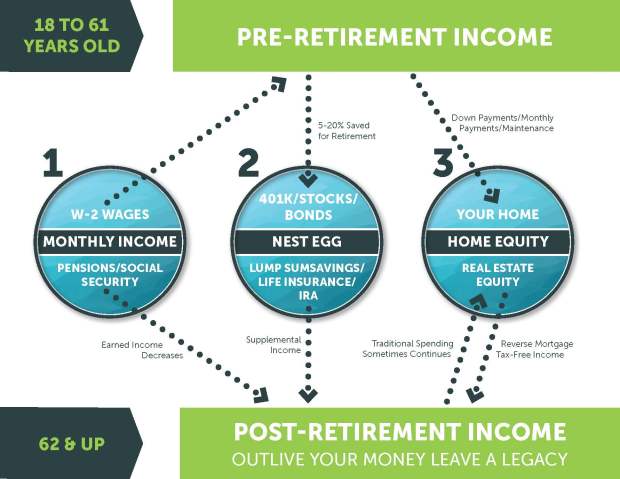
For most families, home equity quietly grows in the background. Over time, appreciation, mortgage paydown, and market conditions can create substantial wealth—often exceeding retirement accounts or other investments.

But that equity doesn’t automatically protect itself.

Real estate decisions can trigger:

  • Capital gains tax exposure
  • Unintended estate complications
  • Liquidity issues for heirs
  • Missed planning opportunities

Selling too early, holding too long, or failing to coordinate real estate decisions with broader financial and estate plans can result in costly outcomes that were entirely avoidable.


Capital Gains, Timing, and the Road Ahead

Many homeowners are surprised to learn that selling a primary residence can have tax consequences—especially for those who’ve owned their homes for decades or experienced significant appreciation.

While today’s rules offer certain exclusions, tax laws are not static. Discussions around changes after 2025 have already prompted questions about:

  • Whether current capital gains exclusions will remain
  • How inherited property may be treated in the future
  • When it makes sense to sell, hold, or restructure ownership

These aren’t questions to answer in a rush—or alone.


Estate Planning and Where Your Equity Goes

Another often-overlooked issue is what happens to your home when you’re no longer here.

Without thoughtful planning, heirs can face:

  • Confusion around selling or retaining the property
  • Unexpected tax exposure
  • Family conflict or delays
  • Loss of value due to poor timing or forced decisions

Your home is part of your legacy. Like any significant asset, it deserves clarity, coordination, and foresight.


Why Real Estate Guidance Matters in Wealth Protection

Real estate is unique. It’s emotional, local, highly regulated, and deeply connected to tax and estate planning—yet it’s often treated as an afterthought.

The truth is:

Real estate decisions should support your overall wealth strategy—not undermine it.

That’s why informed homeowners take a proactive approach, asking better questions and assembling the right professionals before decisions are forced by life events, health changes, or market shifts.


A Practical, Education-First Approach

This blog is the first in a series focused on wealth protection for homeowners. The goal is simple:

  • To explain complex topics in clear, practical terms
  • To help homeowners understand how real estate fits into long-term planning
  • To reduce uncertainty and avoid surprises

This is not about fear or speculation. It’s about clarity, predictability, and informed decision-making.


Final Thoughts

Your home represents years—sometimes decades—of hard work. Protecting that value requires more than market knowledge; it requires planning, timing, and coordination.

I’m Joe Luca The Best Realtor, and I work with homeowners who want thoughtful guidance around major real estate decisions—especially when those decisions intersect with taxes, estate planning, and long-term wealth preservation.

If these topics matter to you or your family, I invite you to follow along as we continue this conversation.

Because informed decisions today – protect your wealth tomorrow.

What To Expect When Closing On Your House

If you’re a first‑time homebuyer, or even if it’s been a while since your last purchase, this video will walk you through exactly what to expect on closing day so you can walk in confident and walk out a homeowner.

Let’s start with the basics.

Closing — also called settlement — is the final step in your residential real estate transaction. It’s the moment when:

  • Money changes hands
  • Documents get signed
  • Ownership officially transfers
  • And you get the keys to your new home after the Deed is Recorded

Think of it as the finish line of the home‑buying journey.

Before you even sit down at the closing table, a few important things happen:

1. Final Walkthrough

Usually within 24 hours of closing, you and your agent walk through the property to confirm it’s in the same condition as when you made the offer and that any agreed‑upon repairs were completed.

2. Review Your Closing Disclosure

Your lender must provide this at least three days before closing. It outlines:

  • Your loan terms
  • Closing costs
  • Prepaid taxes and insurance
  • Cash needed to close

Review it carefully — this is your chance to ask questions before signing anything.

Now let’s talk about what actually happens during the closing appointment.

You’ll Sign Documents

A lot of them. These include:

  • The promissory note
  • The mortgage or deed of trust
  • The settlement statement
  • Various disclosures required by state and federal law

You’ll Bring Your Funds to Close

This is usually done via certified funds or wire transfer. No personal checks.

The Title Company or Attorney Finalizes Everything

They’ll:

  • Verify your identity
  • Confirm the lender has funded the loan
  • Record the deed with the city or town
  • Issue your title insurance policies

Once everything is signed and recorded… you’re officially the owner.

After closing, you’ll receive copies of your documents — either digitally or in a physical folder.

You’ll also get:

  • Your keys
  • Garage door openers
  • Any appliance manuals
  • And sometimes a welcome packet from the seller

From here, you can move in, change the locks, and start making the home your own.

If you found this helpful, please subscribe for more real estate tips, homebuyer education, and Rhode Island market insights.

If you’re thinking about buying or selling a home — or you want to understand the closing process in more detail — reach out anytime. I’m here to guide you every step of the way.

Thanks for reading, and congratulations in advance on your closing day.

50-Year and Portable Mortgages

50-Year Mortgages: Would I Recommend One?

Would I recommend a 50-year mortgage to my daughter, who is currently renting? Honestly, building equity with such a loan would be slow. Fully owning the property free-and-clear could take a lifetime—or even longer. On top of that, the interest rate on a 50-year mortgage would almost certainly be higher. It would be higher than on a traditional 30-year loan.

That said, I wouldn’t outright oppose it. Here’s why.

Why a 50-Year Mortgage Might Make Sense

  • Lower monthly payments: Even modest reductions can make a difference in qualifying ratios.
  • Fixed payments vs. rising rents: Mortgage payments stay the same, while rents inevitably increase over time.
  • Automatic equity through appreciation: Home price gains build equity regardless of the mortgage balance.
  • Flexibility to pay down faster: Extra payments from raises or bonuses can shorten the payoff timeline significantly.
  • Future refinancing or trading up: Homeowners have options if rates decline. They can refinance into shorter terms. Alternatively, they can move into a new property with a better loan structure.

In short, while the 50-year mortgage is far from perfect, it can serve as a stepping stone into homeownership. It is beneficial for renters who might otherwise remain on the sidelines.

Assumable and Portable Mortgages: Pros and Cons

We’re considering unconventional mortgage structures. It’s worth exploring assumable and portable mortgages. These two ideas could reshape affordability if implemented more widely.

Assumable Mortgages

An assumable mortgage allows a buyer to take over the seller’s loan under its original terms. Imagine assuming a 30-year fixed loan from January 2021 at 2.65%. Compare that to today’s rates north of 6%, and the appeal is obvious.

The Catch

  • Equity gap: Buyers must cover the difference between the home’s current value and the remaining loan balance. Often this requires a second mortgage at a higher rate.
  • Approval hurdles: Lenders must approve the assumption, and buyers must meet financial qualifications.
  • Seller liability: Unless formally released, sellers may remain liable for the loan even after transferring it.

Government-backed loans (FHA, VA, USDA) are generally assumable, but conventional loans rarely are.

Potential Improvements

  • Expanding assumability to Fannie Mae and Freddie Mac loans.
  • Offering low-cost “top-up” loans to bridge equity gaps.
  • Educating consumers and professionals to normalize the practice.

Still, the government can’t retroactively make existing non-assumable loans assumable. That ship has sailed for the ultra-low-rate loans of 2020–2022.

Portable Mortgages

A portable mortgage allows borrowers to transfer their existing loan to a new property. This concept is common in the UK but rare in the U.S.

Benefits

  • Keeps the borrower’s low interest rate intact when moving.
  • Reduces the need to start fresh with higher-rate financing.

Challenges

  • Requires a new mortgage application with full underwriting.
  • Borrowers must cover the gap between the new home’s price and the existing loan balance.
  • U.S. lenders may resist, since they profit from “churn” in mortgage origination.

The Bigger Picture

Both assumable and portable mortgages offer intriguing ways to ease affordability pressures. But they face significant hurdles—legal, financial, and political.

Meanwhile, the 50-year mortgage proposal has already sparked debate. Lawrence Yun is the chief economist for the National Association of Realtors®. He warns that the “small savings” in monthly payments come with “significant trade-offs.” Slow equity build makes trading up difficult. Meaningful equity may not arrive until the final decade of the loan.

Ultimately, subsidizing demand without increasing supply risks pushing home prices even higher. The only true solution to the housing crisis is simple, though not easy: build millions more affordable homes.

Takeaway for Renters and Buyers: A 50-year mortgage isn’t ideal, but it can be a gateway to homeownership. Assumable and portable mortgages could help in theory, but they’re far from mainstream in practice. For now, the smartest path remains balancing affordability with flexibility. This involves buying when ready. It also means paying down aggressively when possible and staying alert to refinancing opportunities.

📣 If you’re weighing your options in today’s complex housing market, don’t go it alone. Whether you’re a renter considering your first purchase, I’m here to help. If you’re a homeowner exploring refinancing, I’m here to help. Perhaps you are simply curious about how these evolving mortgage products could impact your future, I’m here to help.

👉 Subscribe to my newsletter for practical insights. Tune into The Joe Luca Real Estate Show on Tuesdays at 6pm EST at WNRI.com, for weekly updates. You can also reach out directly to discuss your personal situation. Together, we can cut through the noise and chart a clear path toward smart, sustainable homeownership.

This post was created with information from Lawrence Yun at NAR.com, Realtor.com, Bloomberg.com and Kiplinger.com.